
"coffee cultivation Colombia"
3000 article(s) found

Colombia Coffee Introduction Colombia Coffee Features Colombia Coffee Estate
Colombia is the world's second largest coffee producer, producing 12% of the world's total production, although ranked lower than Brazil, but its coffee beans are of good quality. Coffee trees are cultivated in upland areas and cultivated in small areas. Cautiously harvested and processed by washing, the coffee produced is beautiful and fragrant, and is suitable for drinking alone or mixed. The main species is Supremo Colomb.

Introduction to the characteristics of fine coffee in the producing area of coffee grindability in Lazmus Manor, Colombia
There are two series of coffee in the world, one is the hard coffee represented by Brazil, which has a strong flavor, and the other is the soft coffee represented by Colombia, which has a light flavor. The difference lies in the altitude of the producing area and the method of planting. Coffee is planted extensively in hilly red soil in Brazil and intensive cultivation in mountain black soil in Colombia. Colombian coffee is divided into more than 200 grades, that is, coffee
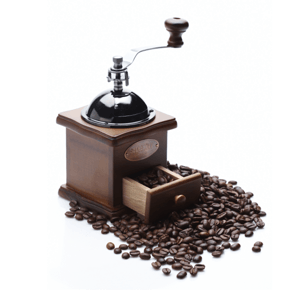
Columbia Huilan Coffee Taste
Following Cafe Review (official Wechat account vdailycom) found that Beautiful Cafe opened a small shop of its own producing area: Huilan Variety: Caturra treatment: washing flavor: full of sour, caramel, sweet nuts, chocolate, with red wine flavor, admirable fruit flavor. Palate: full viscosity, caramel sweetness, supple and pleasant fruit acid. Baking degree: medium and deep baking

Strong aroma of Columbia Santa Rita Manor Coffee Flavor characteristics Origin of Historical Development Market
Second: in 1808, a priest introduced coffee beans to Colombia for the first time from the French Antilles via Venezuela. One of them is that Colombia's first coffee seeds were imported from Venezuela through the province of Santander. [1] third: the earliest records of coffee cultivation in Colombia appeared in The Illustrated Orinoca, a Spanish missionary named The Illustrated Orinoca.

Introduction of coffee beans and some boutique coffee in the main producing areas of coffee beans in the world (1)
Introduction of coffee beans and some boutique coffee in the main coffee producing areas of the world: South America

A brief introduction to the treatment method of grinding degree and baking degree of Columbia Huilan boutique coffee beans with heavy texture
Arabica coffee accounts for about 65% and 80% of the world's coffee beans. Arabica coffee beans are longer, flatter, more complete and greener. Arabica coffee has a varied and broad potential flavor. Arabica coffee produced in different regions, different elevations and different climatic areas usually has its own characteristics and smells like grass when unroasted.

A brief introduction to the Origin, Development, History and Culture of Colombian Huilan Fine Coffee beans with strong aroma
St. Augustine has a natural environment for the production of high-quality coffee, rich groundwater, fertile volcanic ash soil, suitable altitude, rich precipitation and suitable sunshine, etc., which is a very favorable environment for the production of the highest quality coffee. The brand of coffee in Huilan area is Huila, although it is easy to be confused, but if you know it is St. Augustine coffee in Huilan area,

Colombian coffee storage method unique flavor
The history of coffee cultivation in Colombia can be traced back to the Spanish colonial era in the 16th century, and there are many theories about the history of coffee in Colombia: one: it is said to come from the island of Haiti in the Caribbean and from El Salvador in Central America. Second: in 1808, a priest introduced coffee beans to Colombia for the first time from the French Antilles via Venezuela. One of them

A brief introduction to the cultivation of exquisite boutique coffee in Columbia, geographical location, climate and altitude
And the annual rainfall in Nalinglong province shows a peak distribution, with a rainy season, which lasts from October of that year to May of the following year, and the dry season lasts for June, July and August. However, even in dry months, coffee farmers will not worry too much, because the warm current caused by trade winds from the southern continent will produce enough water vapor when they meet with a cool night, just to replenish the coffee trees with water.

Introduction to the producing areas of the characteristics of the Flavor description treatment method of Colombia Emerald Coffee Bean Manor
Colombian Emerald Coffee introduces the history of coffee cultivation in Colombia, which can be traced back to the Spanish colonial era in the 16th century. There are also many theories about the history of coffee in Colombia: one: it is said to come from the island of Haiti in the Caribbean and from El Salvador in Central America. Second: in 1808, a priest transferred coffee beans from the French Antilles to Venezuela.

Colombian coffee beans introduce the characteristics of Colombian coffee beans
The history of coffee cultivation in Colombia can be traced back to the Spanish colonial era in the 16th century, and there are many theories about the history of coffee in Colombia: one: it is said to come from the island of Haiti in the Caribbean and from El Salvador in Central America. Second: in 1808, a priest introduced coffee beans to Colombia for the first time from the French Antilles via Venezuela. One of them

A brief introduction to the treatment method of grinding degree and baking degree of Columbia Huilan boutique coffee beans with endless aftertaste
Colombian Coffee growers High quality Coffee Arabica Coffee in Colombian Coffee Arabica Coffee has to be mentioned in Colombian coffee species (scientific name Coffee Arabica). Arabica coffee trees grow between 900m and 2000 Michael degrees above sea level; they are hardy and the suitable growth temperature is 1524 ℃; they need more humidity and the annual rainfall is not less than 1500.

The Source of Colombian Coffee introduction to the unique flavor of Colombia
The history of coffee cultivation in Colombia can be traced back to the Spanish colonial era in the 16th century, and there are many theories about the history of coffee in Colombia: one: it is said to come from the island of Haiti in the Caribbean and from El Salvador in Central America. Second: in 1808, a priest introduced coffee beans to Colombia for the first time from the French Antilles via Venezuela. One of them
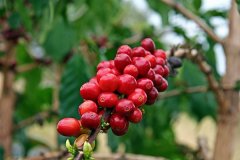
What is the uniqueness of the flavor of Columbia coffee Huilan? description of Huilan Coffee Flavor
For the exchange of professional baristas, please follow the coffee workshop (Wechat official account cafe_style) Colombia huila of Colombia: located in southwestern Colombia, it is one of the major coffee growing areas. Because there are famous coffee cultivation places in Huilan area, the names of small areas become brand names and circulate. Although the cultivation conditions in this area

Flavor description of Colombian Xuefeng Coffee Bean introduction to the regional treatment of taste varieties
Description of the flavor of Colombian Xuefeng coffee beans one of the regional treatments is said to have come from the island of Haiti in the Caribbean and from El Salvador in Central America. Second: in 1808, a priest introduced coffee beans to Colombia for the first time from the French Antilles via Venezuela. One of the first coffee seeds in Colombia was made through the province of Santander.

Quality of Colombian coffee grade producing area
The history of coffee cultivation in Colombia can be traced back to the Spanish colonial era in the 16th century, and there are many theories about the history of coffee in Colombia: one: it is said to come from the island of Haiti in the Caribbean and from El Salvador in Central America. Second: in 1808, a priest introduced coffee beans to Colombia for the first time from the French Antilles via Venezuela. One of them

Boutique coffee Kenyan Coffee Manor Kenyan Coffee producing area
The history of coffee cultivation in Colombia can be traced back to the Spanish colonial era in the 16th century, and there are many theories about the history of coffee in Colombia: one: it is said to come from the island of Haiti in the Caribbean and from El Salvador in Central America. Second: in 1808, a priest introduced coffee beans to Colombia for the first time from the French Antilles via Venezuela. One of them

Description of Flavor of Colombian Huilan Coffee beans with Fruit Flavor introduction to the producing areas of Grinding scale varieties
Colombia is the second largest coffee producer in the world, accounting for 12% of the world's total output. Although it ranks lower than Brazil, its coffee beans are of good quality. Coffee trees are planted in the highlands and cultivated in small areas. Carefully harvested and processed by washing, the coffee produced is of good quality and fragrance, no matter it is a single drink or a mixture. The main variety is Supremo Colomb.

A brief introduction to the treatment method of grinding degree and baking degree of Columbia Huilan boutique coffee beans with soft taste
St. Augustine has a natural environment for the production of high-quality coffee, rich groundwater, fertile volcanic ash soil, suitable altitude, rich precipitation and suitable sunshine, etc., which is a very favorable environment for the production of the highest quality coffee. The brand of coffee in Huilan area is Huila, although it is easy to be confused, but if you know it is St. Augustine coffee in Huilan area,

Colombian Coffee characteristics Classification Fine Coffee Origin
The history of coffee cultivation in Colombia can be traced back to the Spanish colonial era in the 16th century, and there are many theories about the history of coffee in Colombia: one: it is said to come from the island of Haiti in the Caribbean and from El Salvador in Central America. Second: in 1808, a priest introduced coffee beans to Colombia for the first time from the French Antilles via Venezuela. One of them